Monday, March 21, 2011
The First Rose' of Spring

Tuesday, March 8, 2011
Viscosity Breakdown
Good wine not only tastes good but feels good – in your mouth. (Take it easy with the sexual innuendoes will you.) What I mean, is that often times a good wine will have a rich luxurious texture that you can feel as it rolls around on your tongue. (That is enough you perv, we are trying to have an intelligent discussion about how a juicy wine feels good on your tongue.)
Gylcerol and alcohol are the main drivers of a lush wine's plumb texture. The more of each will equate to more a wine feeling more or less like a silk sheet. A wine with a large amount of viscosity will give you the sensation that you have more wine in your mouth than you initially sipped. When a wine is referred to as “full bodied” it is usually thought to have a good amount of viscosity, aka, glycerol and alcohol, aka plumpness.
Like most things in life, too much viscosity becomes a bad thing quickly. When a wine is so rich and dense that it comes in a squeeze bottle, it might be time to dial back a little bit. Balance is the key here. A wine with good “balance” will have a unit of acidity to balance each unit of viscosity. Without this balance, a wine will tumble from the scales of delicious into the abyss.
Stay balanced my friends,
PS – don't drink motor oil.
Monday, July 12, 2010
The Right Music for the Job

Wednesday, May 19, 2010
Wine as an intellectual exercise.
Wine does taste delicious and has provided refreshment and libation for centuries. Wine is nothing more than bottled farming. The only difference between oranges and wine is the process of fermentation. Why then do fermented grapes inspire such devotion and overall nerdiness? It must have something to do with the effects that fermentation has on the brain. Let us then explore the idea of wine as a mental exercise.
A wine that inspires quiet contemplation is something indeed. I recently had a wine that did/does just that. The 2008 Donkey & Goat Roussanne. This is a white wine grape from the northern portion of the Rhone wine region in France. The grape is notoriously hard to grow as well as work with in the winery. This only adds to the chin scratching after each sip. Why would someone attempt to grow this grape then make something delicious out of it when there are other grapes that are easier to grow and manipulate? Why would someone climb the highest mountain when they probably live near a fairly well sized hill? Because, we as humans can and want to always push for something.
The first sip of the Donkey & Goat Roussanne presents a crosswords worth of riddles and possibilities. Five across – Lemon. Eleven down – honeysuckle. One swallow and already a puzzle?
The wine beguiles with such fresh fruit up front, such creaminess in the middle and the most toasted nuttiness to finish. How could one thing be so many things?
This question begs the question, should wine be mental exercise? Should you spend more than a moment pouring over each nook and cranny of a wine? Is it silly to examine a wine and seek out something new or unexplored? Oh so very Lewis & Clark like. Can drinking a wine be something that stretches your imagination, inspires the desire for greater understanding of how it came to be so delicious? Can a wine literally be described as “transcending?” Should leisurely playing with a plastic toy test your brain power and become a world wide measurement of acumen?
I say yes on both accounts. Wine is a pretty neat thing and on occasion (Looking for subtle nuances and the secret meaning of life in the tepid glass of red wine being served at your cousin Henry's wedding reception at the Moose Lodge is silly.) metaphysically delving into a glass of wine and taking a look around is worth while. Having your preconceptions challenged and expanding your opinions is what makes life interesting. So if you can do that while enjoying a lovely libation, I say by all means nerd out on that glass of wine. The next great American novel might be in there floating around.
Wednesday, May 5, 2010
Spring Break 2010 Wine Dinner
(May 17, 2010 at 7pm)
Chef Chris Carey helps us ring in the spring with a fresh and delicious menu highlighting the new flavors of this glorious season. Each course will be paired with an equally lively Italian wine.
Amuse Bouche - Tuna Tartar with tamari vinaigrette.
Second Course - Sake and maple marinated sablefish with a citrus soy glaze.
Third Course - Veal tenderloin wrapped with Speck served with ramps morels, English peas and a light veal jus.
Fourth Course - Brillat Savarin cheese with strawberries and a balsamic glaze.
Fifth Course - Blueberry brioche bread pudding.
Call the restaurant to reserve your seat today. 703 777 9463
Wednesday, April 14, 2010
Romance in the Wine
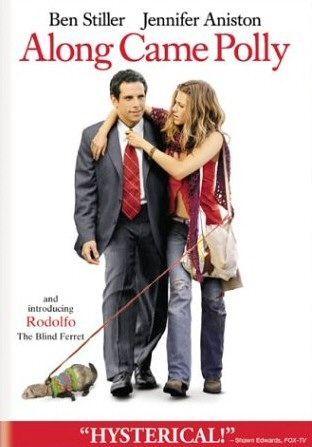
Like a lot of things in life, good wine and good romantic comedies are about balance. In this discussion let's use the comedy portion of a romantic comedy film to relate to the sweetness in a wine and the romantic portion to relate to the acidity in wine. I find specific examples to be the most effective examples so for this example we will use: Vouvray – a white wine from the Loire region in France made from the Chenin Blanc grape and “Along Came Polly” as its equal in a romantic comedy.
Now. Any good romantic comedy worth its salt will have a good balance of comedy and romance sprinkled throughout to help assuage a broader audience and move the movie along. There will be tender moments with overwrought dialogue concerning love and relationships balanced by situational comedy and maybe even a flatulence joke thrown in for good measure. In the same vain, any wine worth discussing out loud will have a pitch perfect balance of residual sugar (aka – sweetness) that creates the full round texture and depth of flavor offset by acidity (aka acidity) that adds the structure and running theme that ties all the rest of the wine together.
To sight our specific example- all the scenes with Philip Seymour Hoffman, especially the basketball court scene, are the comedic interludes that fill in the gaps and round out the underlying romance in the Along Came Polly. The residual sugar in Vouvray does a similar thing by taking the edge off the naturally high acidity in the Chenin Blanc from this area in France where the soil is basically all limestone. The extra sugar left in all most all Vouvray acts as momentum builders to the crisp theme of acidity that holds the wine together and runs straight through the entire movie. This thematic structure created by such pure acidity in the wine is represented in the budding romance between Ben Stiller and Jennifer Aniston. Acidity and romance aer what make the movie and the wine what they are.
Just like some romantic comedies can be completely off balance and end up in a piling heap of cinematic disaster like Gigli, a wine that is out of balance is is a clumsy drink to say the least. Even wines that have a good bit of sweetness need a lot of acidity to provide the freshness and tang on the finish so the wine doesn't taste like your trying to swallow a love scene between Jennifer Lopez and Ben Affleck.
Thursday, March 25, 2010
Doing Laundry is Fun


Thursday, March 4, 2010
Tender vs. Delicious
If someone said you could eat something that was either delicious or tender, which would you choose? For me it is easy – I always take delicious. One is a adjective to describe how something tastes and one is an adjective that describe how something feels. Granted feeling and texture play a role in how much we enjoy something we eat, but I think how something tastes plays the greatest role.
Steak is a great example of the delicious vs tender debate. The prized filet mignon is one of the most tender cuts of beef, but in almost all cases lacks that distinct deliciousness that makes a steak a steak. This is why you often see a filet wrapped in bacon (delicious) or a porcini crust (also delicious). Ask any butcher what cut they would always keep for themselves, nine out of 10 would not pick a filet. Maybe a flat iron, skirt steak, or NY Strip which have a tremendous amount of flavor at the expnse of overt tenderness. Or maybe the sainted ribeye which has 10X more flavor than a filet and may be just as tender.
Don't fight against delicious for the false flavor of tender. Yes delicious can be tender and tender can be delicious, but if you are serious about your delicious – put tender on the back burner.
This is just a warm up for the smooth wine vs delicious wine debate.
Monday, February 1, 2010
New Awesomeness

Monday, January 25, 2010
Wine Myth Busting 101

Swirling a glass of wine then looking intently at the glass and commenting on how great the legs look on a particular wine makes you sound like you know what you are talking about and opens the door for yet another sly double entendre at a cocktail party. But alas, those legs don't quite mean what you think they mean - in either sense.
Tuesday, August 4, 2009
The Thrill of Disappointment
Wednesday, July 29, 2009
Little Green Bottle

Sometimes you don't finish a bottle of wine. Sometimes you even plan to not finish a bottle you open. Then sometimes you finish more wine than you should. The solution for the latter is for another time. The solution for what to do with left over wine is our topic for today.
The best, most cost effective and simple way to preserve an opened wine is to remove it from its current bottle home and put it into a smaller bottle home. Like empty nesters selling their four bedroom colonial for a two bedroom rancher. When I know I am not going to finish a bottle of wine when I open it i break out my mini green bottles first thing. (This happens more often than not, as the Mrs. and I disagree on wine choices.) I use the litte 8oz green bottles (pictured above) that were previously ginger ale bottles. These small green bottle are perfect because they prevent wine deterioration and make for a handy single serving size. Fill each of the 8oz green bottles as close to the very top of the bottle as you can, at least up to the small neck of the bottle. Now only the smallest portion of wine is exposed to oxygen as possible. Oxygen and wine's relationship is like the friend who comes to visit for a few days that turns into a few weeks.. At first oxygen makes wine seem bigger and better than it was, until it has been around too long, then it becomes the wine's mortal enemy. So keeping oxygen away from wine until you want them to cohabitate is essential in preserving wine. The fridge is the place for all unfinished wine regardless of color and creed. The cool air temperature in the fridge also helps to reduce the wines proclivity to self destruction much like it does for any and/or all meat, produce and cheese.
So in review:
1 Fill small green (8oz) bottle with extra wine to the tippy top of the glass jar. (Put the top on the small green bottle.
2 Refrigerate said jar.
3 When you get home pour yourself a glass out of the well preserved wine.
4 Say hi to the family and change your clothes
5 Drink well preserved wine.
Enjoy.
Saturday, July 11, 2009
A Necessary Option
A Forgotten Vineyard

There are few things more depressing than a forgotten vineyard. All that hard work going into planting the vines in perfectly straight rows, training them and then carefully harvesting the bounty of grapes. To then just leave it and walk away is a sad a sad thing. Almost like starting a blog and semi-diligently logging posts, then leaving it fallow for so many months with no new attention paid.
Well we are here to reclaim our lost blog. We will hack out all the underbrush, retrain the vines and began anew. So please have patience as we begin our process of reclamation and regrouping to produce a better and more well maintained product.
Thursday, April 9, 2009
Name Calling

There is a job in the wine world that requires an individual to examine, analyze, research and pass judgement. No, not wine critic, but ampelographer. An ampelographer is a person who's job is to be concerned with the proper identification and classification of grapevines. The word ampelographry comes from two Greek words: ampelos for vine and graph for description.
These ampelographers examine the various physical characteristics of a grapevine, then attempt to give the vine a proper name that represents the vine's lineage and individual characteristics, chardonnay or syrah for example. Until the 1940s ampelography was considered an art. Then Pierre Galet created systematic criteria for the identification of vines and the science of ampelography was born.
It is important to know what variety of vine is growing in certain vineyard so this particular vine can be raised right and cared for appropriately. Plus people like to know what it is they have in the bottle of red wine. Some grapevines require more water and less sun, and some require just the opposite. If you didn't know what kind of vine you were caring for it would be like trying to raise your son or daughter by always saying “hey you.” Somewhat effective, but certainly not optimal. People and grapevines like when you know who they are.
Most of the time, name calling is juvenile and silly and sometimes, your an ampleographer, and it's your job.
Wednesday, April 1, 2009
The Chance for Opportunity
If the winemakers plans go off without a hitch. The timing was perfect, the grapes behaved just the way they hoped and now they feel the juice is the best it could be. So they put all of what they have worked so hard to create into a $1,500 new French Oak barrel. Then sit and wait. Maybe taste the wine at different intervals. But they will not know if their efforts have been a success until the wine has run its full course in the barrel and is ready for bottling. Even then, how long will their wine take once it is in the bottle to finally reveal its true character? Two years? 12 years? Only time and patience will tell.
All any good/sane winemaker can hope to do, is create the chance for opportunity. Working so hard for something, just so you can put it a bottle, wait for a few years, then find out what anyone and everyone thinks about your work, is a tough way to make a living. It's like taking some silly computer test for work, school or at the DMV. You have taken the test and you push the “Done” button and cringe as you wait for the computer to spit out your score. Take that feeling and multiply it by about a factor of 100 and you will have some idea how cringe worthy making wine can be. But there must be something magically alluring about making wine, because people have been drawn to making wine for thousands of years.
Maybe it is the very thing that makes winemaking so maddening and difficult that also draws people to it – the great chance for great opportunity.